Reliable Footers & Foundation Excavation Solutions
Structural excavation methods focused on stable footers foundation systems and long-term load support
Footers Foundation Excavation Overview
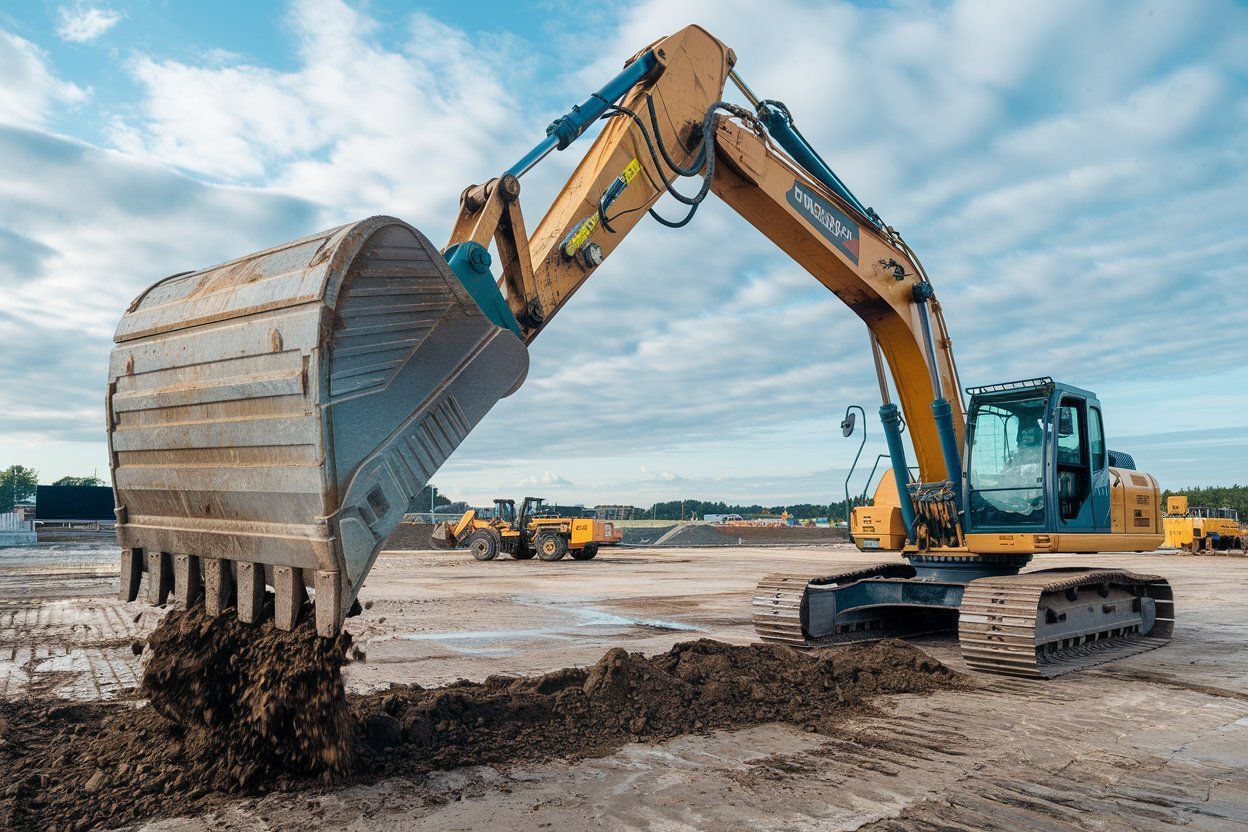
Footers foundation excavation is a critical phase of structural ground preparation that supports vertical and lateral load transfer into the soil. This process involves calculated earth removal to achieve required depth, width, and bearing conditions before foundation materials are placed. At Andrew Pazder Excavation, excavation for footers foundation in Maryville, TN follows measured procedures that align with soil behavior, moisture conditions, and grading requirements. The work begins with site assessment to understand subsurface composition, followed by layout marking to guide trench paths and footing dimensions. Controlled digging techniques are used to reduce soil disturbance beyond the excavation zone, helping maintain surrounding ground stability.
The process also includes managing spoils, monitoring trench integrity, and preparing a level base for footing placement. Compaction and soil conditioning may be applied to improve load-bearing capacity where needed. Drainage considerations are addressed during excavation to prevent water accumulation that could affect foundation performance. Throughout the operation, equipment selection and excavation depth are adjusted based on soil response and site constraints.
This systematic approach allows footers foundation excavation to support consistent structural alignment while reducing risks related to settlement or shifting. By focusing on methodical execution and clear sequencing,
Andrew Pazder Excavation
delivers excavation work in Maryville, TN that supports durable foundation systems without unnecessary complexity or disruption.
Key Elements That Define This Service
Footers foundation excavation plays an essential role in maintaining structural stability over time. Properly prepared footers reduce uneven settlement and help manage load transfer into the ground. What sets this service apart is the attention to ground response and excavation accuracy rather than speed alone.
✔️Site Evaluation: Ground conditions are reviewed to align excavation depth and width with soil characteristics.
✔️Controlled Digging: Equipment use is adjusted to limit over-excavation and protect surrounding soil.
✔️Footing Alignment: Trenches are shaped to support even load distribution across the foundation base.
✔️Soil Conditioning:
Base preparation includes leveling and compaction to improve bearing capacity.
✔️Drainage Awareness: Excavation planning accounts for water flow and moisture control.
Each stage is handled with awareness of how soil reacts once disturbed, which helps avoid future foundation concerns. Errors at the excavation stage can affect the entire structure above. By maintaining consistent trench dimensions, clean footing bases, and stable excavation walls, the foundation system gains a dependable starting point. In Maryville, TN,
Andrew Pazder Excavation applies practical excavation methods that balance efficiency with structural needs. Clear communication and site-specific adjustments contribute to dependable results. For more information or to discuss project needs, contact
(865) 327-9887 to connect with
Andrew Pazder Excavation
and learn how footers foundation excavation can support long-term ground performance.
Footers Foundation Excavation Overview
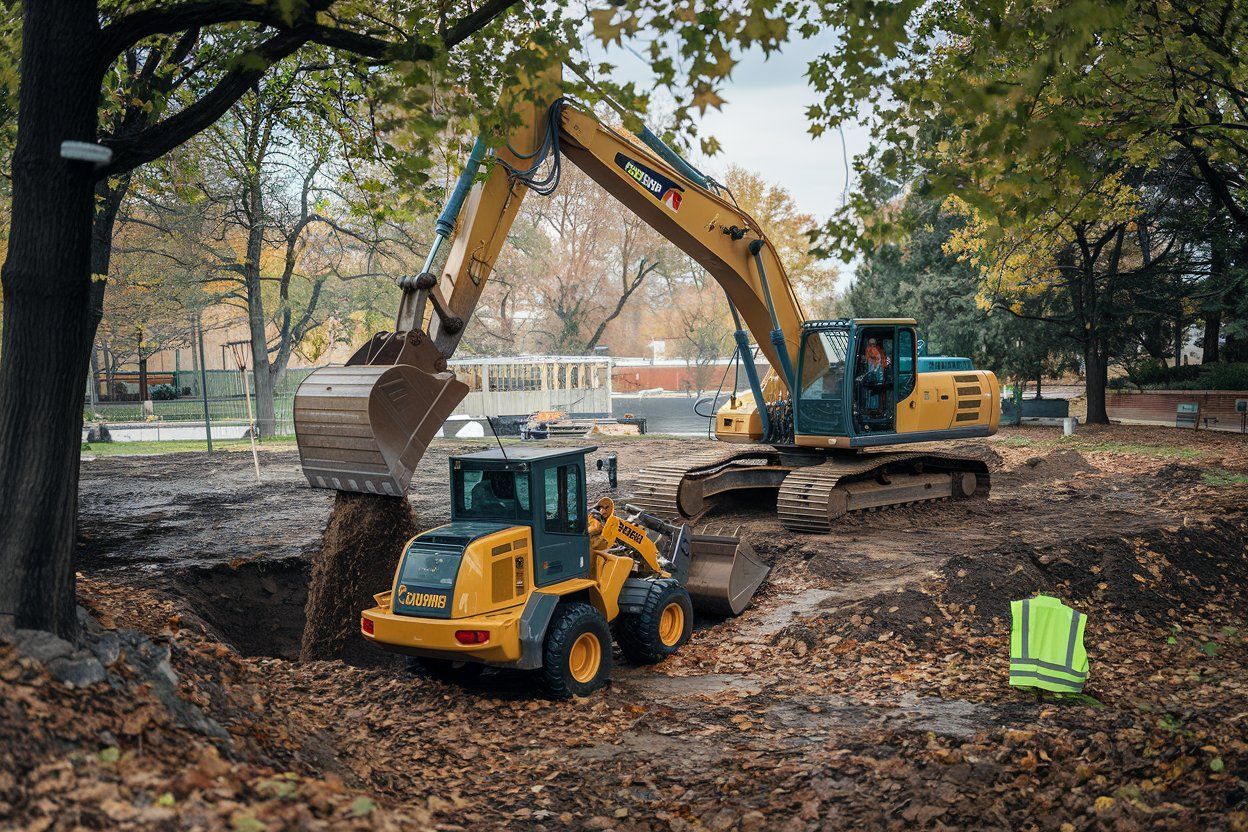
The excavation process for footers foundation follows a clear sequence designed to prepare the ground for structural loads. It starts with marking the excavation layout based on planned footing dimensions and alignment references. Digging then proceeds to specified depths while monitoring soil consistency, trench stability, and edge conditions. At Andrew Pazder Excavation in Maryville, TN, adjustments are made during excavation if soil conditions vary, helping maintain uniform support along the footing path and reduce over-excavation risks. Loose material is removed, and the trench base is shaped to create a level surface suitable for load transfer.
Once excavation reaches the required depth, the base may be compacted or conditioned to improve strength and support capacity. Any excess moisture is addressed to prevent soft spots beneath the footing. Spoil material is managed to keep the work area clear and organized, supporting safe movement and workflow.
The final stage focuses on inspection readiness, ensuring trenches meet dimensional and stability expectations before foundation placement begins. This methodical process supports reliable footing performance and reduces the likelihood of ground-related issues over time.